

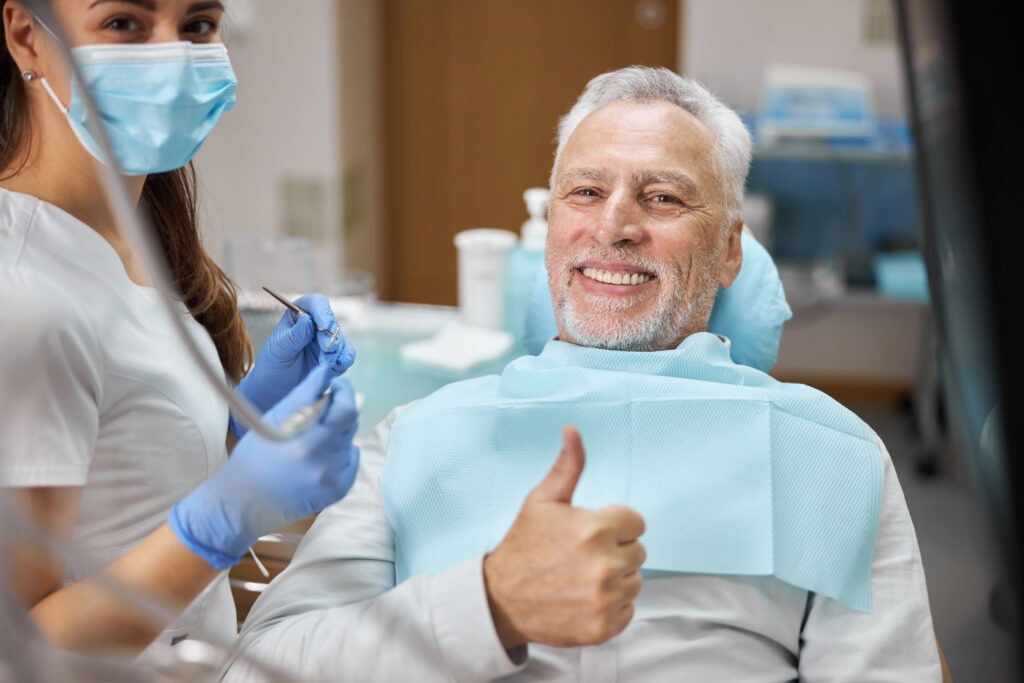
How to Help More Patients Say Yes to Full Arch Dental Implants
Introduction
Many people want a new smile. They want to eat without pain and feel proud when they look in the mirror. Yet when they sit in your chair and hear the words full arch dental implants, they start to worry.
They think about cost.
They think about time.
They think about what happens if they choose wrong.
This is why so many patients freeze.
They see the life they want, but they feel scared to move forward. Most practice websites talk about price or steps of care.
But they skip the heart of the problem.
People do not shut down because they do not like the plan.
They shut down because they feel pushed before they feel ready.
The good news is that it’s simple to overcome.
You can lower fear with a short pause and three clear questions.
These questions help patients feel calm.
They help them feel heard.
They help them feel safe enough to say yes to a better life.
Your team can use these same steps today.
And when you do, you will see more trust, more clarity, and more full arch cases closed with ease.
Why Full Arch Dental Implant Patients Feel Overwhelmed
It is a big life change and a big bill
Full arch dental implants literally change lives.
People can chew again.
They can smile in photos.
They can stop hiding their mouth.
But the price is high. In many parts of the United States, All on 4 and other full arch implants often cost around 15,000 to 35,000 dollars per arch.
Most people have never made a dental choice that large out of pocket.
So when they hear the number, their brain does not think in logic. It reacts in fear.
Common thoughts in the chair:
- “What if I spend this money and it does not work”
- “What if I pick the wrong dentist”
- “What if I say yes and then lose my job”
Studies show that cost is one of the top reasons why patients delay or avoid dental care, even when they know they need help. (MDPI)
So your patient is not being “difficult.” Their nervous system is in fight or flight mode.
Dental fear is already in the room
Most full arch patients did not wake up fearless.
Many have had years of bad dental visits, pain, or shame about their teeth.
Research shows that implant surgery and other big dental work can create very high stress before the visit even starts. (Europe PMC)
Other studies find that people with moderate to severe dental anxiety are about three times more likely to put off visits. (MDPI)
So when the doctor finishes a strong clinical talk, here is what often sits under the surface:
- Fear of pain
- Fear of “being judged”
- Fear of surgery or being put to sleep
- Fear of sitting in a vulnerable position for hours
- Fear of being “trapped” in a sales talk
If your team goes from that emotional state straight into a money talk, the patient’s brain will see threat, not safety.
They hear a firehose of information
You and your team probably talk about this every day.
You know the steps, the scans, the parts, and the labs.
Your patient hears it once. For the first time in their life.
In a single visit they may hear:
- Terms like “full arch,” “All on 4,” “bone loss,” and “grafting”
- Options like “implants vs dentures vs bridges”
- Surgery plan, healing time, and follow up visits
- Risks, consent, and what can go wrong
Even well written online guides, articles and youtube videos admit that the choice between full arch implants and dentures depends on many factors. That can feel confusing and heavy for a person with missing teeth and low trust.
As a dentist, we may leave the room feeling well accomplished.
But patients might find themselves sitting there feeling lost.
Patients don’t want to make the wrong choice
Most full arch patients already feel like their mouth story is a string of bad choices.
Missed cleanings. Teeth pulled instead of saved. Dentures they hate.
So this next choice feels like the last chance to fix it.
Here is the inner talk they will never say out loud:
- “I cannot afford another mistake”
- “What if I pick implants and regret it”
The truth is that modern full arch systems have strong long term results. Some reports show All on 4 style treatments with implant survival around 93 percent over ten to eighteen years.
They are more stable than dentures and often give better chewing and comfort over time.
But your patient doesn’t know that. Even if you try explaining to them about what the latest report and it’s findings tell us, they won’t feel safe until they slow down and become calm.
What this means for you and your team
When you put all of this together, it is easy to see why patients feel overwhelmed:
- Big money choice
- High dental fear already in the room
- Too much new info all at once
- Deep fear of another bad decision
So if a patient slows down, shuts down, or says “I need to think about it,” it is not a sign that they do not want treatment.
It is a sign that their emotional load is too high.
In the next section, you will see why talking about money too soon makes this worse and how a short emotional reset helps patients feel calm, clear, and ready to move forward with you.
Do Not Talk About Money Too Soon. Reset First
Your team wants to be clear and honest about cost. That is good.
But the timing matters just as much, if not more than you might think!
If you rush into price when the patient still feels scared, their brain hears one thing:
“This is going to be expensive. I need to get out of here.”
Why jumping to price backfires
Research in dentistry shows that the cost of treatment has a strong pull on what patients choose. (PMC)
When people feel high money stress from medical care, many delay or skip needed treatment. (PMC)
So when you say the number before you calm the fear, you trigger things like:
- “I cannot afford this”
- “They only care about the money”
- “I knew this was a sales pitch”
So the problem is not talking about money.
The problem is when and how you do it.
What to do instead. Pause and reset
Here is the simple shift.
- The doctor finishes the clinical part and leaves the room.
- The treatment coordinator pauses. No price talk yet.
- You guide a short emotional reset before any numbers.
Your job in this reset is to:
- Let the patient breathe and settle
- Invite them to share how they feel
- Clear up any confusion about the plan
- Check their level of confidence
You do this by asking a few smart questions.
Then you just listen. Watch and observe how they respond.
When you do this well:
- The patient feels seen, not sold
- They ask honest questions
- They open up about fears and money worries
- They are more ready to hear cost as part of a plan, not as a threat
Studies in both dental care and medicine show that when cost talks happen inside a kind, two way talk about care, patients feel more in control and more satisfied. (PMC)
How this helps case acceptance
A healthy dental case acceptance rate is often in the range of 70 to 90 percent. Practices with clear, calm consults and good tools tend to land on the higher side of that range.
When you reset first and talk money second, you:
- Lower fear, so patients can think
- Show that you care about the person, not just the arch
- Make it easier to discuss payment plans and value without pressure
This is how you move from “Let me think about it” to “Yes, this is the next right step for me.”
3 Questions That Help Patients Feel Ready to Say Yes
These three questions are simple. But they do a lot of work for you.
They help you:
- Calm the room
- Find confusion before it blows up
- Turn vague “I am not sure” into clear next steps
Health research backs this up. When doctors ask how patients feel, invite questions, and share choices, trust and satisfaction go up. (blog.iti.org)
Your three questions give you a simple way to do that in every full arch consult.
Question 1: “How are you feeling about everything the doctor shared”
This is your first reset question. It sounds small. It is not.
You are not asking, “Do you have any questions” yet. You are asking about feelings.
Why this works:
- It slows the visit down
- It shows you care about the person, not just the plan
- It gives the patient permission to admit fear or confusion
Studies on patient centered talks show that when people can share their feelings and thoughts, they are more ready to take part in decisions about care. (Wiley Online Library)
You might hear things like:
- “I feel hopeful, but nervous”
- “I am overwhelmed”
- “I am scared of the surgery part”
- “I did not catch all of it”
Your job is to stay calm and curious.
You can respond with:
- “Thank you for telling me that”
- “It makes sense that you feel that way”
- “Let us slow down and walk through it together”
Question 2: “Do you have any questions about the treatment plan”
Now you move from feelings to facts.
Most full arch consults are packed with new words and steps. Top dental case acceptance guides say to avoid complex terms and to invite questions so patients do not shut down. (Glidewell Dental)
This question helps you find:
- Parts of the plan they did not understand
- Risks they worry about
- Mixed messages from past dentists or ads
- Spots where the plan does not match their life
Encourage them with little prompts:
- “You cannot offend me. Ask me anything.”
- “There are no silly questions.”
- “If the doctor said something that did not make sense, let us clear it up.”
Common question areas:
- “How many visits will this take”
- “Will I ever be without teeth”
- “How long does it last”
- “What if an implant fails”
Research on good doctor patient talks shows that clear, two way information is a big key to trust, satisfaction, and follow through. (PMC)
So take your time here. The more clear they feel about the plan, the easier the money talk will be later.
Question 3: “On a scale from 1 to 10, how confident are you”
This is your power question.
You are turning a fuzzy feeling into a clear number. This comes from behavior change and motivational interviewing work. In that field, nurses and doctors often ask people to rate how ready or confident they feel on a 0 to 10 scale. It helps guide the talk and shows where support is needed. (PMC)
How to frame this question in a conversation:
“On a scale from 1 to 10, where 1 means ‘not at all ready’ and 10 means ‘I am ready to start,’ how confident are you about moving forward with this plan”
Then pause. Let them think.
If they say 8 to 10:
- Celebrate it
- Ask, “What makes it that high?”
- You can move toward cost and payment options
If they say 4 to 7:
- Say, “That is helpful. Why not a lower number”
- This helps them name the reasons they are leaning yes
- Then ask, “What would need to happen to move you up by one or two points”
If they say 1 to 3:
- Stay curious, not pushy
- Ask, “What is the biggest thing holding you back right now”
- This may reveal a fear, a money block, or a trust issue
This scale question helps you:
- See where they really stand, in a safe way
- Tailor the rest of the visit to what they need
- Avoid guessing or pushing too hard
And it helps the patient:
- Feel in control
- Hear their own reasons for change
- Move from “I do not know” to “Here is what I need next”
How to weave all three questions together
In real life, this whole reset can take just a few minutes.
A simple flow:
- Start with feelings
- “How are you feeling about everything the doctor shared”
- Move to clarity
- “Do you have any questions about the treatment plan”
- Check readiness
- “On a scale from 1 to 10, how confident are you about moving forward with this plan”
Every step is rooted in what research calls shared decision making and patient centered care.
Patients who feel heard, informed, and involved tend to be more satisfied and more likely to follow through with the plan they chose. (blog.iti.org)
You are not trying to trick anyone into a yes. You are guiding them to a calm, confident choice. That is what your best full arch patients want.
Real Results. How This Changes Conversions
If you want to learn how full arch performs in the real world, take a look at our Benchmark Report, built from real campaign data across full arch practices we support at TIE.
In this report you will see simple data that shows full arch campaigns convert about 2.1 times higher than single implant leads, and how practices that focus on pre-qualified leads and 80%+ show-up rates consistently close more starts. You will also see what top practices do to lift trust, calm fear, and close more cases without pressure.
Use it to:
- Train your team
- Fix weak spots in your consult
- Help more patients say yes with confidence
Download the Full Arch ROI Benchmark Report
What Makes Full Arch Different from Dentures or Single Implants
Your patients often ask, “Why is this so much more than dentures” or “Why not just fix one tooth at a time”
This is your chance to slow down and show value. Not just price.
Below is a simple way to explain full arch vs dentures vs single implants in plain language.
Full arch is a full smile solution
Full arch implants are built to replace a whole row of teeth at once. Top or bottom.
You can explain it like this:
- Several implants are placed in the jaw
- A full set of teeth is fixed on top of those implants
- The teeth stay in place. The patient does not take them out at night
By contrast:
- Dentures rest on the gums. They can move and rub. They come out for cleaning and sleep
- Single implants replace one missing tooth at a time. Great for one or a few gaps. Not ideal when most teeth are gone
Studies compare people with full arch implant teeth to people with complete dentures. People with full arch fixed implant teeth report higher well being, self esteem, and quality of life. (Braz. J. Implantology & Health Sci.)
You can tell patients:
“Full arch is a stable, fixed set of teeth. It is built to act like a real smile.”
What would it feel like, day to day?
This is what patients really care about.
With full arch implants, many people report:
- Stronger bite and better chewing
- Less slipping when they talk and eat
- Easier time with foods like meat, bread, and salads
Some reports say All on 4 style full arch can give back a very high percent of natural chewing power, which is much higher than regular dentures.
With regular dentures, many people report:
- Sore spots on the gums
- Dentures that move when they speak or laugh
- Trouble with hard or sticky foods
- Worry that the plate will pop loose in public
Research on dentures shows that while they can help looks and basic chewing, many patients still struggle with comfort and function. (Nature)
With single implants:
- One implant can feel almost like a real tooth
- Chewing is strong in that area
- But if the rest of the mouth has bad or missing teeth, the overall bite is still weak
How long they last?
Patients want to know, “Will this hold up”
Full arch implants and single implants
- Modern implant systems show high survival rates over many years when cared for well (Cureus)
- They can last many years with good home care and regular visits
- Parts such as the bridge or teeth may need tune ups or changes over time, but the base implants are designed to be long term
Complete dentures
- Often need relines or remakes every few years as the bone shrinks and the fit changes
- Over time, that means more visits and more work just to keep them usable
How each option affects the face and bone
This part matters for how people look and feel about themselves.
- After teeth are lost, the jaw bone can shrink over time
- Regular dentures sit on top of that shrinking bone
- This can lead to a “sunken” look around the mouth in some people
Full arch and other implant supported options help by sending bite force into the jaw, which can slow bone loss. That often supports the lips and lower face better than loose dentures. (PMC)
You can frame it in simple words:
- “Dentures sit on the gums”
- “Implants live inside the bone and support the face”
Cost now vs cost over time
This is the hard part of the talk. So you keep it simple and honest.
Up front:
- Full arch All on 4 style treatment in the United States often falls around $15-30k per arch, and can be higher in some markets
- Conventional dentures are much lower at first. Many sources list arch prices in the low thousands or less, depending on setting and insurance.
So yes. Full arch has a higher ticket at the start, however;
Over time:
- Dentures often need new liners, new plates, and more glue and care products
- People with poor denture fit may avoid healthy foods, which can affect overall health and joy in eating
This makes Full arch implants more appealing. Even though they cost more in year 1, but they are a lot more stable and can last forever if well cared for.
Often, when you add up denture work over many years, the long term cost can come close to or even exceed the cost of going with implants; especially if quality of life and lost function are part of the picture.
How to say it to a patient:
“Dentures cost less at the start, but they often cost more time and comfort as the years go on. Full arch costs more at the start, but it is built to last, they look and feel just like real teeth.”
When single implants still make sense
You are not trying to push a full arch on every person.
Single implants can be the best path when:
- Most natural teeth are healthy
- Only one or a few teeth are missing
- The bite and bone are still strong
Large reviews show that both well treated teeth and implants can do well over time. So the choice should be careful and personal. (ScienceDirect)
You can say:
- “If we can save a strong tooth, we like to save it”
- “If most teeth are failing, a full arch can give you a clean, stable fresh start”
This kind of honest framing builds trust and makes it easier for the patient to believe you when you say, “Full arch is the right move here.”
Frequently Asked Questions
How much do full arch dental implants cost
Patients ask this first. Your team should be ready with a calm, clear answer.
You can say something like:
“Most full arch cases fall in a range. The exact number depends on your mouth, your bone, and your goals. Let me walk you through it.”
Across the United States, many clinics list full arch or All on 4 type care at around 15,000 to 35,000 dollars per arch, and some national ranges go even higher, up to about 20,000 to 40,000 dollars or more per arch in some states.
What can change the price:
- How many implants are needed
- If bone grafting or extractions are needed
- Type of final teeth (material, lab, design)
- Where the practice is and who does the surgery
You can make it less scary by:
- Sharing the full range, not just one big number
- Showing what the fee includes, step by step
- Explaining that you have payment plans or outside financing if you do
Link cost back to value, not pressure. For example:
- Eating more foods again
- Feeling proud to smile
- Having a stable fix instead of ongoing patch work
You can also share that long term data shows high survival rates for full arch implant systems when planned and cared for well, often above 93 to 95 percent over many years. (PubMed)
That helps patients see they are not just buying teeth. They are investing in a long term change.
Are full arch dental implants worth it compared to dentures?
For many patients who struggle with loose dentures, sore spots, and low confidence, full arch implants feel “worth it” because they get back a stable, fixed set of teeth that look and feel more like a real smile.
When you connect the higher up-front fee to daily benefits like better chewing, fewer denture adjustments, and more confidence in photos and social events, most full arch candidates see they are investing in long term comfort and quality of life, not just a one-time dental procedure.
You can make this clear with a simple side-by-side: dentures have a lower starting fee but more tradeoffs in comfort and function, while full arch implants require a higher initial investment but are built for stability and everyday confidence.
How long do full arch dental implants last?
With good planning, home care, and regular dental visits, modern full arch implant systems can last many years. Long term studies on All on 4 style treatments show implant survival rates often above 93 to 95 percent over ten or more years.
The base implants are designed to stay in place for the long term. Over time, parts like the bridge or teeth may need maintenance or upgrades, similar to how a car may need new tires even if the engine remains strong.
You can tell patients that full arch is not a “quick fix.” It is a long term solution that rewards people who commit to regular hygiene, follow-up visits, and healthy habits.
Are full arch dental implants painful?
Most patients are surprised by how manageable the process feels when it is well planned. With modern anesthesia and sedation, patients usually do not feel pain during surgery. Afterward, they can expect some soreness and swelling for a few days, which is typically well managed with prescribed medications and clear post-op instructions.
You can reassure patients by walking them through each step: how you control comfort during surgery, how you support them in the first week of healing, and how you handle questions or concerns. The more clearly you explain what to expect, the safer and more prepared they will feel.
Final Thoughts
Your job is not to “close” more patients. It is to guide them!
Full arch is a big choice.
Patients feel fear, hope, shame, and financial stress all at once.
Research in both dental care and medicine shows that people make better choices when they feel heard, informed, and part of the plan.
So your main job in the consult room is simple:
- Lower fear
- Raise clarity
- Protect trust
When you do that, your chances of case acceptance goes up.
If you want to see how this consult framework pairs with a full arch marketing engine that brings in pre-qualified leads and keeps show-up rates high, explore our Full Arch Implant Marketing Program or review a recent full arch case study.
Use the emotional reset in every full arch consult
By now, you have a clear playbook:
- Do not rush to talk about money
- Pause after the doctor leaves
- Let the room breathe
- Ask your three questions
- “How are you feeling about everything the doctor shared”
- “Do you have any questions about the treatment plan”
- “On a scale from 1 to 10, how confident are you about moving forward with this plan”
- Listen for what they really need
- Do they need more info
- Do they need more calm
- Do they need help with money talk
- Then talk cost in a kind, clear way
- Show what is inside the fee
- Connect price to long term value and function, not pressure
This simple reset lines up with what top communication guides call shared decision making and patient centered care. That approach is linked with higher satisfaction, better follow through, and more trust.
A simple promise to your next full arch patient
You can even share this out loud:
“My job today is not to talk you into anything. My job is to help you feel clear and calm enough to make the choice that is right for you.”
Most patients have never heard that in a dental office. It can change the whole tone of the visit.
When you pair that promise with a strong full arch plan and a kind emotional reset, you get what you want and what they want. More confident yeses. Fewer regrets.
Want to grow your full arch cases?
If you want more patients to feel safe, say yes, and move forward with life changing care, we can help you do that.
Your team does not need pressure scripts. You need a plan that builds trust, lowers fear, and guides patients with clarity. That is what the top full arch practices use every day.
In this short call you will:
- See how leading practices use emotional reset steps in every consult
- Learn how full arch campaigns convert at higher rates than single implant leads
- Get clear next steps to lift your case acceptance
- Know exactly how to connect with patients who want a new smile but feel scared to start
This is your chance to turn more consults into real results for your patients and your practice.
Ready to help more patients say yes?
Book your strategy demo today and take the next step toward stronger trust, higher show-up rates, and more full arch starts.